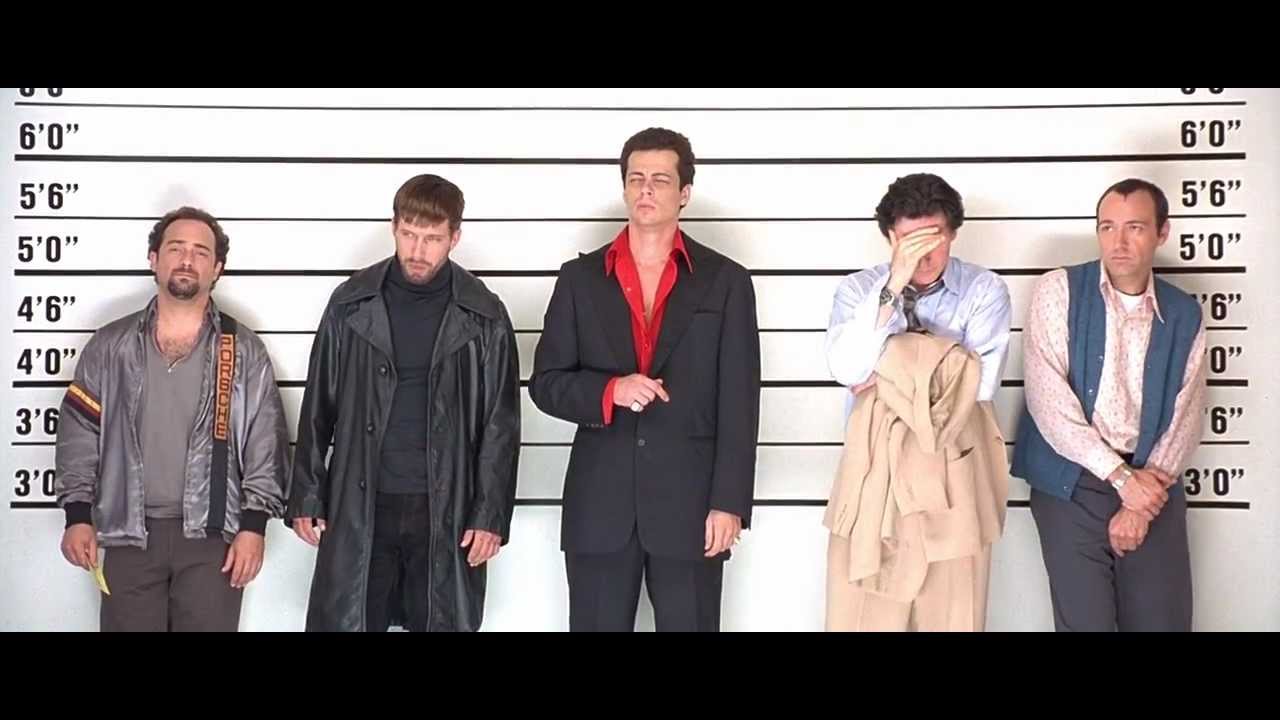
 When we were planning the structure of our opening sequence, our primary concern was to make it intriguing and exciting for all members of our target audience. Younger members of our audience will likely see the film for escapism, whereas older members of our target audience will be looking for a compelling storyline or maybe even personal identity. Therefore we provide our audience with information of the film's storyline as well as an action sequence in our opening scene. We thought it necessary to include an action sequence as not only does it establish the genre irrefutably, but it will also appeal to a large proportion of our target audience. Furthermore, many other films such as The Usual Suspects, Lucy and Casino Royale include similar action scenes at the beginning of the film whilst establishing its plot.
Our Album Cover

Outside Digipak Panels
Our Album Cover 2

Inside Digipak Panels
 Our website navigation bar: please click on it to see the website
Thursday, 29 January 2015
Research and Planning 5: How we plan to attract/address our target audience
When we were planning the structure of our opening sequence, our primary concern was to make it intriguing and exciting for all members of our target audience. Younger members of our audience will likely see the film for escapism, whereas older members of our target audience will be looking for a compelling storyline or maybe even personal identity. Therefore we provide our audience with information of the film's storyline as well as an action sequence in our opening scene. We thought it necessary to include an action sequence as not only does it establish the genre irrefutably, but it will also appeal to a large proportion of our target audience. Furthermore, many other films such as The Usual Suspects, Lucy and Casino Royale include similar action scenes at the beginning of the film whilst establishing its plot.
Friday, 23 January 2015
Research and Planning 4: Representation of social groups in our opening sequence
 |
| Our main characters, Jen (left) and Blake (right) |
 |
| Daniel Craig and Olga Kurylenko in Quantam of Solace |
Whilst Blake is represented somewhat typically of alpha male characters, the female lead character in our sequence is a more challenging of media stereotypes. Jennifer is ex-police just like Blake, but has ended up among thugs and thieves through her hobby of gambling. We wanted to stray from action film stereotypes in which the female character is glamorous and stylish to create a more compelling character who can be portrayed more equally to Blake. We wanted to avoid a scenario in which the purpose of Jennifer's character was to bolster the identity of Blake, which is common in many action films such as Quantam of Solace. Whilst she does provide some character development for Blake, she can still stand as her own character who is equally important to Blake.
Research and Planning 3: Our production and distribution institutions
Production Institution
 We have decided to produce our film alongside Silver Pictures: an American production company known for many different Hollywood films. Although the nationality of our film is British, we are trying to recreate the glossy, stylised look that would be expected of a Hollywood film, similar to the James Bond films. Silver Pictures have worked on British-American films that are similar to the one that we aim to produce, such as Sherlock Holmes. We would work with Silver Pictures as an independent production company who specialises in British films which aim to replicate this Hollywood style of film making.
Distribution Institution
 The company that will be responsible for the distribution of our film will be Universal Pictures. We have chosen Universal Pictures as they have a five-year marketing and distribution deal with Silver Pictures and have recently made similar films such as Non-Stop. The other reason for selecting
Universal Pictures as our distributor is that they have a strong presence in both the British and American markets. This is significant as we are planning a theatrical release in the UK and USA, followed by a video-on-demand release on websites such as Amazon Instant Video, Youtube Movies, UniversalVOD and more. We also aim to have a DVD and Blu-ray release for the film in order to provide as many different platforms for the film as possible.

Distribution Institution

Universal Pictures as our distributor is that they have a strong presence in both the British and American markets. This is significant as we are planning a theatrical release in the UK and USA, followed by a video-on-demand release on websites such as Amazon Instant Video, Youtube Movies, UniversalVOD and more. We also aim to have a DVD and Blu-ray release for the film in order to provide as many different platforms for the film as possible.
Wednesday, 21 January 2015
Research and Planning 2: Our target audience
Our primary focus when deciding which demographic to target with our film was which genre of film we should produce. None of us had an overwhelming preference as to what genre we would like to use, so instead we decided to see which genre of film was most popular amongst people our age. We produced a questionnaire asking what people's favourite genre of film was and their age:

 The James Bond films are a great example of a film with a large target audience; including both the young and old. Casino Royale contains action sequences for immersion as well as tense and strategic poker scenes to provide a compelling host of characters and an intriguing story. We incorporated similar features in our plot to appeal to our secondary audience of men and women aged 15-40.

 A typical member of our primary target audience would be anyone who is interested in action films. This could be an 18 year old teenager who enjoys the escapism provided by action films or an adult who is able to become more involved with a storyline. Members of our target audience would likely be middle-class, as our characters depicted in the film are of the same social status. Teenagers have a respectable spending potential as they will often go to see a film with their friends. Adults on the other hand, will either see the film alone or with a partner or family member. This makes the storyline more engaging for members of our audience with loved ones as they could relate to and understand the fears of the main character. A good example of a film that has achieved success with these two audiences would be Taken.
Research and Planning 1: How we intend to work as a group
Eddie Rowe, Ignacio Flores and myself are working as a group to produce a two minute opening sequence for a film. We soon realised that in order to produce a high quality piece we would need to organise meetings in order to collect and develop our ideas. Most of these meetings were situated on Mondays and Fridays; at the start and end of the week as we were able to communicate in our lessons on Tuesday, Wednesday and Thursday. This meant that we were able to make consistent progress on our project throughout the week. Each of these meetings lasted for one hour, with some stretching to an hour and twenty minutes, totalling in a minimum of two hours of additional work each week.

As the research and development process requires a lot of trial and error in regards to plot ideas and structure, we agreed that it was important to be in contact whenever the need arises. Therefore we exchanged mobile phone numbers and set up a group on Facebook so that we can discuss and exchange ideas with ease.
Lastly, we have all agreed to take individual responsibility if we are unable to attend a meeting or finish a piece of work. This is to make sure that we are all working efficiently and at a good pace.
Sunday, 2 November 2014
The Knife That Killed Me - Case Study Introduction

1. Film genre and type of production
Genre: Teen, Thriller-Drama
Type of film: Independent Film
Rating: 15
Budget: Low budget - estimated to be £3million
Sources: IMDb, Green Screen Productions, Marcus Romer's blog
2. What's the film about?
 Synopsis: A journey through the memories of teenager Paul Varderman as he reflects on the events leading to the fatal moment his life is cut short. Paul moves to a new school and becomes involved with 'The Freaks', a group on the periphery of school life, those who don't fit in: scene kids, emo kids, indie kids. Outsiders. At the same time he attracts the attention of the schools twisted and manipulative bully, Roth. When Paul delivers a message from Roth to the leader of a gang at a rival school, it sparks a dangerous feud. Faced with growing pressures from both groups, Paul must decide where his friendship lies, a decision that may cost him his life.
Sources: IMDb, Official Trailer
4. Nationality of the film?
The Knife That Killed Me is an entirely British production. It is made independently with a British cast, crew, setting, production company and target audience. There are also a number of themes which are especially relevant to a British culture, such as knife-crime.
Sources: IMDb, Official Website, Official Trailer
5. Institutions behind the film's production and UK/US distribution? Where are they based?
Companies involved in the production of The Knife That Killed Me include:


 It is also worth noting that the students from the University of York participated in the post-production process of the film.
 The directors for The Knife That Killed Me are Marcus Romer and Kit Monkman.
Sources: IMDb, Wikipedia
10. Core audience? Secondary/tertiary markets?
The core audience for The Knife That Killed Me will be British teenagers and young adults. This is proven by the film's age rating, as if it were targeted to a wider audience it would likely be a 12 or PG rated film. Fans of the book would also fit into the core audience as they would most likely want to see the film as well. Secondary audiences include the regional market; specifically people living where the film was shot in Yorkshire. The relatable setting may allow this group to connect with the film more easily. Fans of any of the actors would also be considered a secondary market, however Jack McMullen is the only actor with a considerable fan-base. The tertiary markets would include fans of any genre present within the film. These could include fans of crime films, dramas or independent films.
Sources: IMDb,
Sources: IMDb, Green Screen Productions, Marcus Romer's blog
2. What's the film about?
 Synopsis: A journey through the memories of teenager Paul Varderman as he reflects on the events leading to the fatal moment his life is cut short. Paul moves to a new school and becomes involved with 'The Freaks', a group on the periphery of school life, those who don't fit in: scene kids, emo kids, indie kids. Outsiders. At the same time he attracts the attention of the schools twisted and manipulative bully, Roth. When Paul delivers a message from Roth to the leader of a gang at a rival school, it sparks a dangerous feud. Faced with growing pressures from both groups, Paul must decide where his friendship lies, a decision that may cost him his life.
Themes:
- Outsiders
- Friendship
- Death
- Morality
- Crime
3. Global and UK release dates? Where and what formats?
 The Knife That Killed Me was released on the 24th of October via Video-on-Demand streaming and a DVD version distributed by Universal Studios. There were three premieres for the film at Bradford, Manchester and London. These were all shown on the 15th of July. Furthermore, the film was also streamed online through Youtube to a global audience. The film will not have a theatrical release. In order to have a limited screening for the film, a kickstarter project was started to raise funding for the events.
 The Knife That Killed Me was released on the 24th of October via Video-on-Demand streaming and a DVD version distributed by Universal Studios. There were three premieres for the film at Bradford, Manchester and London. These were all shown on the 15th of July. Furthermore, the film was also streamed online through Youtube to a global audience. The film will not have a theatrical release. In order to have a limited screening for the film, a kickstarter project was started to raise funding for the events.
Sources: IMDb, Official Website, Kickstarter
4. Nationality of the film?
The Knife That Killed Me is an entirely British production. It is made independently with a British cast, crew, setting, production company and target audience. There are also a number of themes which are especially relevant to a British culture, such as knife-crime.
Sources: IMDb, Official Website, Official Trailer
5. Institutions behind the film's production and UK/US distribution? Where are they based?
Companies involved in the production of The Knife That Killed Me include:
- Green Screen Productions
- Gloucester Place Films
- International Pictures Three (a subsidiary of Matador Pictures)
- Heslington Studios
Companies involved in the distribution of The Knife that Killed Me include:
- Universal Pictures
- Focus Features
- Stealth Media Group
6. What's the film's production budget?
The budget of the film is estimated to be about £3million. This funding would've come from a variety of sources:

- Premiere Pictures
- Matador Pictures
- Possibly Kickstarter
 It is also worth noting that the students from the University of York participated in the post-production process of the film.
7. Any connections with other films?
The film is independently made and has no direct connections to other films. However, the film is made using the same production technique as '300', 'Sin City' and 'The Adventures of Tin-Tin'. There is also a connection between the film and the novel that it is based from which has the same name.
Sources: Wikipedia, Green Screen Productions, Stealth Media Group
8. Who's the director?
 The directors for The Knife That Killed Me are Marcus Romer and Kit Monkman.
Romer is a first time director. He has previously worked as an actor and playwright in shows such as Emmerdale.
Monkman is also a largely unknown director.
Sources: IMDb, Wikipedia, Marcus Romer's blog
9. How has the film been cast?
The cast for The Knife That Killed Me is as follows:
- Jack McMullen - Paul
- Reece Dinsdale - Paul's Dad
- Jamie Shelton - Roth
- Oliver Lee - Shane
Almost all of the actors are new to film. Many of the actors such as Jack McMullen and Reece Dinsdale will be recognised as British TV actors; they have both starred in Waterloo Road.
Sources: IMDb, Wikipedia
10. Core audience? Secondary/tertiary markets?
The core audience for The Knife That Killed Me will be British teenagers and young adults. This is proven by the film's age rating, as if it were targeted to a wider audience it would likely be a 12 or PG rated film. Fans of the book would also fit into the core audience as they would most likely want to see the film as well. Secondary audiences include the regional market; specifically people living where the film was shot in Yorkshire. The relatable setting may allow this group to connect with the film more easily. Fans of any of the actors would also be considered a secondary market, however Jack McMullen is the only actor with a considerable fan-base. The tertiary markets would include fans of any genre present within the film. These could include fans of crime films, dramas or independent films.
Sources: IMDb,
Tuesday, 21 October 2014
Big Hero 6 - Case Study Introduction
1. Film genre and type of production
Genre: Superhero-Comedy, Action, Animation
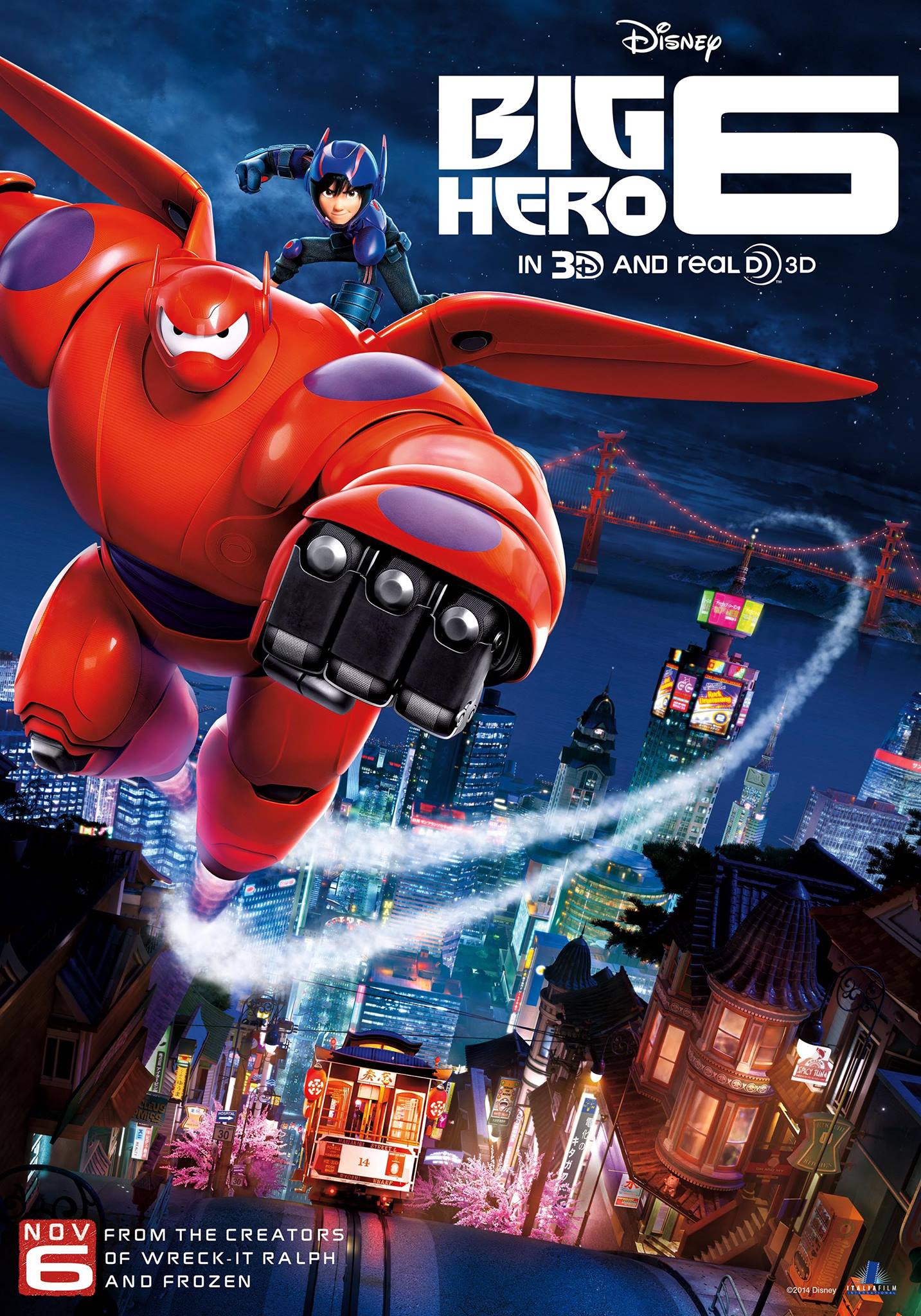 Type of film: Event film, high concept, mainstream blockbuster
Rating: PG
Budget: Yet to be revealed as the the film is likely in post-production, however we can estimate that the budget is somewhere between 150-200 million dollars
2. What's the film about?
Synopsis:
Hiro Hamada is a robotics prodigy following in the footsteps of his older brother, Tadashi. Soon after discovering one of his creations, an inflatable hospital care robot named Baymax, an unknown villain emerges. Determined to uncover the mystery, Hiro transforms his friends into a band of high-tech heroes called "Big Hero 6."
Themes:
- Good/Evil
- Friendship
- Family
- Growing up
- Crime-fighting team
Sources: iMDB, Wikipedia, Big Hero 6 Official US Trailer 2, Art Book
3. Global and UK release dates? Where and what formats?
Big Hero 6 will be released in theaters globally throughout October 2014 to February 2015. Major release dates include:
- October 23rd - Japanese premiere at the Tokyo International Film Festival
- October 25th-27th - Multiple premieres across the USA
- November 7th - Theatrical release in the USA and Canada
- December 20th - Theatrical release in Japan
- January 30th - Theatrical release in the UK
It has not been stated whether the film will be released in other formats, but it is very likely that there will be DVD and Blu-ray releases following the theatrical release.
Sources: iMDB release information, Official website
 4. Nationality of the film?
Big Hero 6 is a high budget, Hollywood blockbuster film. This is reflected in the cast, production and even the setting of 'San Fransokyo'. Fall Out Boy, a popular American band, also have a song featured in the trailers, so this too is a heavy signifier of nationality.
5. Institutions behind the film's production and UK/US distribution? Where are they based?
 Companies involved in the production of Big Hero 6 include:
- Disney Animation Studios
- Walt Disney Motion Pictures
- Marvel Studios (creative influence, symbiosis between Disney and Marvel)
Companies involved in the distribution of Big Hero 6 include:
- Walt Disney Motion Pictures
- Walt Disney Studios Japan
- Possibly other Disney subsidiaries
6. What's the film's production budget?
The production budget for the film is yet to be released. However, we can make an assumption based on the budgets of similar films:
Wreck-it Ralph: $165 million
Frozen: $150 million
Tangled: $260 million
Judging by these figures, the budget of the film is likely to be somewhere between 150-200 million dollars. However, animation is quite expensive so the budget could be much higher as shown by Tangled. The budget will have been provided by Disney and the profits from the film will be invested into future films.
Sources: iMDB, Wikipedia
7. Any connections with other films?

Big Hero 6 will largely be following the success of recent Disney and Marvel productions. These include Frozen, Wreck-it Ralph and Tangled by Disney and The Avengers by Marvel. Chris Williams is an in-house Disney director who worked on these Disney films as well as Big Hero 6. Beyond film, the original concept is taken from a Marvel comic book series under the same name.
Sources: iMDB, Wikipedia, Disney Animation Official Website, Wired Article
8. Who's the director?
There are two directors working on Big Hero 6. The first is Don Hall, a director who has done work for Disney before on film's such as Tarzan. The second is Chris Williams, an in-house Disney Director well-known for recent Disney hits such as Wreck-it Ralph and Frozen.
Sources: iMDB, Wikipedia, Wired Article
9. How has the film been cast?
The cast of Big Hero 6 is as follows:
 |
| Scott Adsit - Voice actor for Baymax |
- Ryan Potter - "Hiro Hamada"
- Scott Adsit - "Baymax"
- Jamie Chung - "Gogo Tomago"
- Damon Wayans Jr. - "Wasabi"
- Genesis Rodriguez - "Honey Lemon"
- T.J. Miller - "Fred"
Sources: iMDB, Wikipedia, Official Twitter Page
10. Core audience? Secondary/tertiary markets?
The core audience for Big Hero 6 is children and young teenagers in the UK and USA. Evidence for this is shown by the film's PG rating to allow for the largest possible audience. Furthermore, children will be accompanied by their parents, or the whole family. This allows for increased revenue. The secondary audience would be fans of Disney and/or Marvel fans. This could potentially extend to fans of the original comic as well as the Japanese audience. The tertiary audience as mentioned before would be parents, as they would need to accompany their children to see the film. Therefore it is likely that Disney would include some subtle humour that the children would not understand, but the parents would in order to appeal to them.
Sources: iMDB, Wikipedia
Subscribe to:
Posts (Atom)